
This guide is for readers of legal drinking age (21 and older in the United States). It is about hosting a small tasting, not about drinking more. If you do not drink, you do not need to start because of anything written here. Do not drink and drive, and do not drink during pregnancy. Alcohol is not a health product. Anyone at the table who would rather have water, tea, or a soft drink should be treated as a full guest, not as someone who failed the theme.
A home tasting is a way to compare a few pours slowly, with enough water and time that nobody has to guess what they just had. It does not need a printed booklet, a dress code, or a score sheet unless you want those things. It does need modest pours, a plan for getting home, and glasses that let people smell what is in front of them. This is a practical setup guide, not a lab test and not a ranking of bottles.
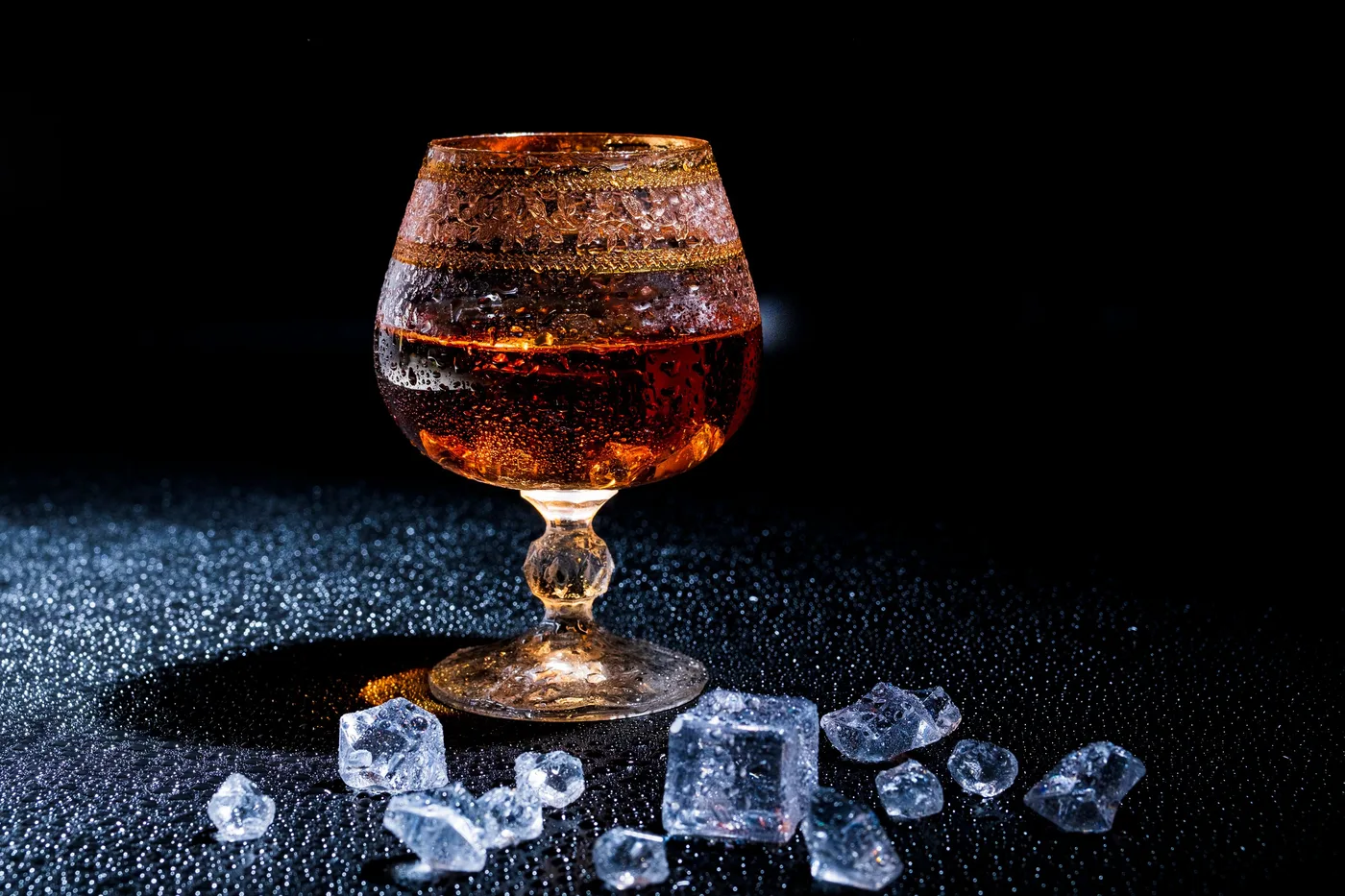
Keep the group and the pours small
Four to six people is plenty. More than that and you spend the night fetching glasses and repeating what someone already said about the first bottle. Invite only adults you actually want to sit with, and say in the invitation that this is a tasting with small pours, not an open bar. If someone cannot come without driving themselves afterward and they will not have a ride or a place to stay, help them make a better plan or pick another night.
Three samples is a good default. Five is the upper end for a weeknight if the pours stay small. You do not need a rare bottle to make this work. You need bottles that are legally purchased, clearly labeled, and different enough that comparison is interesting — a bourbon and a rye, or two malts from different regions, or the same brand at two proofs, if you have them. Our guide to whiskey styles is enough context for most tables. Leave the “you must try this” lecture at the door.
A tasting pour is a sip, not a drink. A common home range is about half an ounce to an ounce (15 to 30 ml) per sample. That is enough to nose and sip twice, and it is much easier to stay within a modest evening if you start there. Use a measuring cap, a pour spout you trust, or a small measuring glass. Guessing “a splash” is how a tasting becomes three full drinks before the second bottle is open.
Set the table so people can actually taste
Matching glasses matter more than fancy glasses. If one person has a wide tumbler and another has a tulip, they are not smelling the same thing, and the conversation turns into an argument about the glass. A set of tulip-shaped tasting glasses is the usual tool, which we discuss in Glencairn vs rocks vs copita. Current official options are in our 2026 researched list. If you only own tumblers, use tumblers for everyone and keep the pours even smaller, because a wide rim loses aroma faster and invites a bigger sip.
Give each person a glass of water, a small jug or pipette for adding drops to the whiskey if they want, and a place to set a glass down between sips. A quiet spittoon — a mug or a cup — is worth offering even among friends. Spitting is not rude at a tasting; it is how some people compare more than one sample without stacking drinks. Nobody has to use it. Nobody should be teased for using it.
Food should be simple and not louder than the pours: plain crackers, mild cheese, nuts if no one at the table has an allergy you need to plan around. Heavily sauced food and very sweet dessert will flatten what people can taste. This is not a dinner with a whiskey theme unless you want it to be, in which case taste first and eat after, or keep the pours for after the main plate is cleared.
Have a non-alcoholic option that is not an afterthought. Sparkling water with a twist, a good tea, or a bottle of something a guest actually likes will do. The point is that the evening still works if someone is not drinking, is the designated driver, or simply decides to stop after the first sample.
A calm order of events
Open bottles in a sensible order: generally lower proof before higher, milder before more heavily peated or heavily spiced, and anything you already know is a “loud” bottle last. That is a guideline, not a law. If you only have three similar bourbons, open them anyway and talk about what is actually in the glass.
Pour one sample at a time if you want a clean conversation, or pour a short flight if you have enough matching glasses and people who will not mix them up. A small label or a numbered mat helps. Invite people to smell first, sip a little, add water if they want, and say what they notice in ordinary words. “This smells like orange peel” is more useful than a performance. Our how to taste whiskey guide is the companion to this one, including the role of water, which we also cover in water, pipettes, and tasting tools.
Ice is optional and should not be required. If you offer it, offer a large clean cube and let people decide, as we describe in clear ice and whiskey stones. A tasting that begins with every glass full of ice is a different event — a pleasant one, sometimes, but not a careful comparison.
Keep notes only if the table wants them. A simple line — name of the bottle, a word about the nose, a word about the sip — is enough. A tasting journal is useful later; it is not a test during the evening. If someone would rather talk than write, let them talk.
House rules that prevent a messy night
Pour for people; do not leave bottles open in the middle of the table for free-pour refills. If someone wants more of a sample, a second small pour is a decision, not the default. Watch your own glass as carefully as you watch anyone else’s. Hosts sometimes drink more than they meant to because they are topping up while they talk.
Stop when you said you would stop. Three samples and a pause is a complete tasting. A “just one more bottle” is how a weeknight tasting becomes a long night. If the conversation is good, keep the conversation and put the bottles away. Leftover whiskey goes back into the original bottles, not into a decanter for the rest of the month unless you already use that decanter as a short-term serving vessel.
Nobody drives after drinking. Say that plainly in the invitation and again at the end of the night. Collect keys if that is the agreement you made, call a ride, or have people stay. This is not optional hospitality. If you would not send a guest down a dark road after a dinner with wine, do not do it after a tasting.
If someone has had enough, do not argue and do not pour “a last one” into their glass to be polite. Offer water and food. If the mood of the room is leaning toward people drinking more than they planned, end the tasting earlier than you meant to. A good host protects the next morning as well as the table.
What you do not need
You do not need a gavel, a blindfold, or a scoring rubric. You do not need to buy a new set of crystal the week before, though if you have been meaning to get matching tulips, the top 10 list is a place to compare current official glasses. You do not need to empty every bottle you own to be a generous host. You do not need to pretend you can name every flavor. You do not need to include a guest who is uncomfortable around alcohol just because the rest of the group drinks.
You also do not need to host this at all. Tasting at home is one way legal-age adults compare bottles they already have or legally bought. If you would rather visit a licensed tasting room, or not taste in a group, that is a complete decision. The value of a home tasting is control over pace, pour size, and company. Use that control. Pour small, put water on the table, and send people home safe.