
This guide is for readers of legal drinking age (21 and older in the United States). It is about glassware and other accessories, not about drinking more, and it does not sell or recommend bottles of alcohol. If you do not drink, you do not need to start because of anything written here. Do not drink and drive, and do not drink during pregnancy. Alcohol is not a health product.
A bar cart can be a useful tray on wheels, or it can become a piece of furniture you feel obliged to fill with bottles. This guide is the first version. It covers the accessories that make a cart usable for whiskey at home: glasses, water, ice, a measure, linens, and a little order. It does not recommend bottles, brands of spirit, or a “starter liquor run.” If you do not already drink, you do not need a cart. If you do, you may already have enough and only need a better place to set a glass.
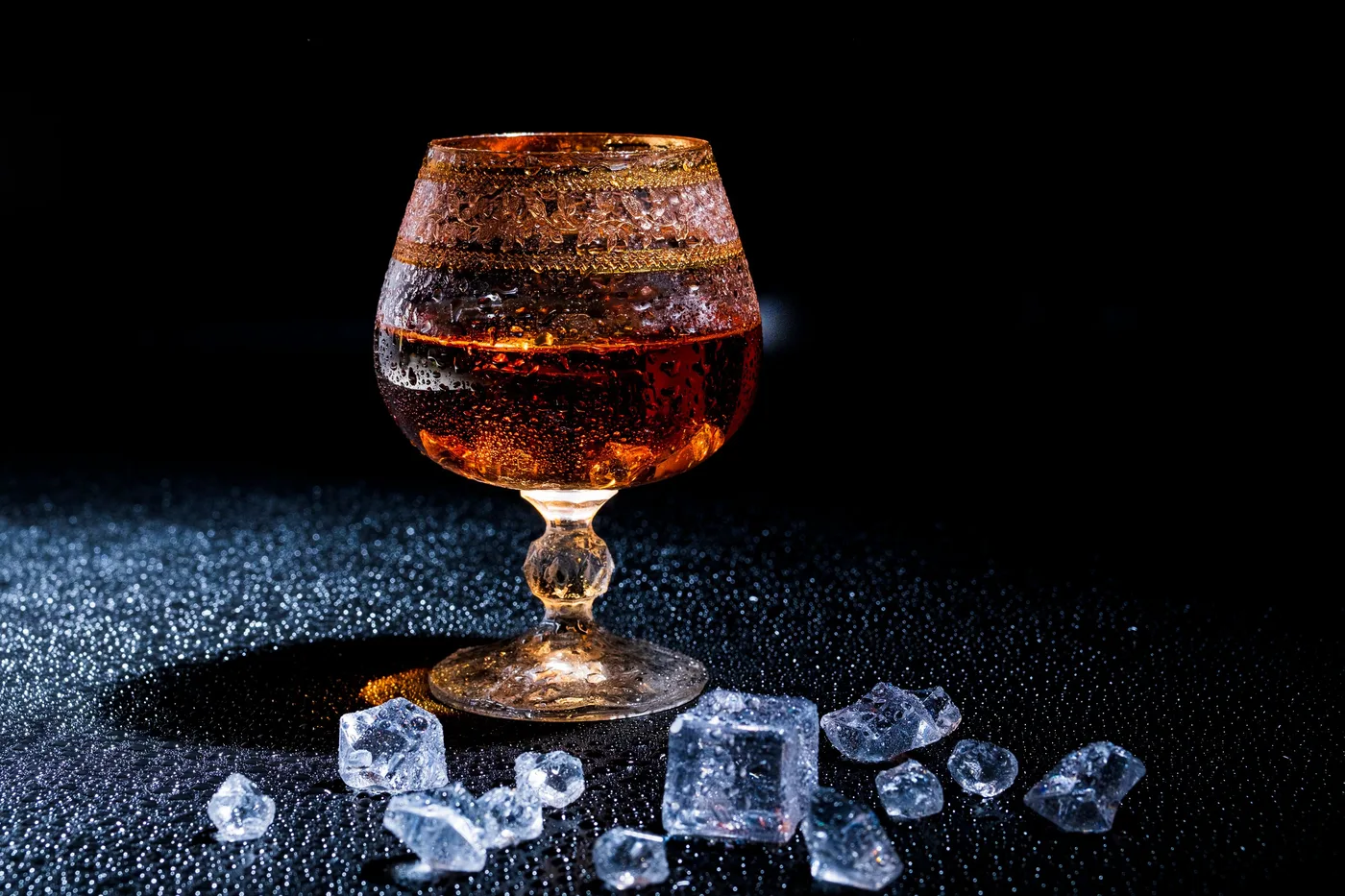
The cart is a tray, not a collection
Start with a stable surface that does not tip when a glass is set down, with a rail or a lip if the cart will move. A sideboard, a shelf, or a kitchen tray can do the same job. Wheels are optional. If you have children, pets, or a narrow hall, a cart that rolls into a traffic path is a worse idea than a high shelf.
What belongs on the surface is what you use in a single serve or a small tasting: a glass or two, water, a jigger or pipette, a small cloth, maybe a decanter you actually empty the same evening. What does not belong is a crowd of bottles you never open, a forest of gadgets, or anything that makes the cart a temptation display for someone in the house who is not drinking.
Choose glasses for the way the cart is actually used. A pair of tasting tulips and a pair of rocks glasses cover most homes. See Glencairn vs rocks vs copita and whiskey glassware. Leave space so pieces do not chip each other; packing advice lives in caring for crystal.
Water, ice, and measure — the useful third of the cart
A small carafe or official water jug, a pipette if you like precise drops, and a marked jigger will do more for a thoughtful pour than a decorative second decanter. See water, pipettes, and tasting tools and jiggers, pour spouts, and measured serves.
Ice is a kitchen job as much as a cart job. A simple insulated bucket and tongs are enough if you use ice; a clear-ice tray lives in the freezer, not on a sunlit cart. Stones are optional. See clear ice and whiskey stones. Keep a clean cloth for drips so a wooden cart does not become a sticky ring museum.
A decanter can sit on a cart as a serving piece for an evening. It should not become a second, slower-aging bottle. If the cart sits in bright light or near a heater, that is an even better reason to leave whiskey in its original, closed bottle in a cooler, darker place, as storing whiskey at home describes, and to read how to use a whiskey decanter.
Order, books, and what to skip
A tasting journal, a pencil, and a coaster stack are harmless and useful. Our accessory cards include journal-style add-ons rather than alcohol. A guidebook can live on a lower shelf. See starting a small collection if you already collect — and remember that a collection is optional.
Skip smoking guns, novelty lights, and piles of unofficial “whiskey stones in a skull” if they will only collect dust. Skip anything that encourages a drinking game. Skip glassware you cannot identify as lead-free or ordinary glass if it will hold a spirit; see lead crystal vs lead-free vs glass.
If you like the look of a full cart, fill the extra space with glassware, a plant that can handle the location, or empty space. You do not owe a photo-ready bottle lineup to a piece of furniture.
Current glasses, a jug, and decanters in our 2026 researched list are reasonable cart candidates. Confirm official sizes and materials. This site does not sell alcohol.
FAQ
Do I need a cart at all? No. A tray and a cupboard are enough.
Should leftover open bottles live on the cart? Usually no. Light, heat, and a loose stopper are poor storage. Put closed bottles away after the evening.
Is a lockable cart a good idea? If you need to keep accessories or bottles away from children, a lockable cabinet at height is a serious household decision. A decorative cart is not a substitute for that.
Can I put a small dishwasher-safe glass set on a cart? Yes, if you have room and they are not going to knock together when the cart moves. A little felt or a divided tray helps.
Build a cart, or a tray, around the accessories you already use: glasses, water, a measure, and a cloth. Leave bottles out of the shopping list on this site, leave room to not pour, and do not let a piece of furniture become a reason to drink.
Light, heat, and the rest of the room
A cart by a sunny window looks good in a catalog and is a poor place for anything you care about: labels fade, and a stopper in a decorative decanter is not a reason to leave a spirit in the light. If the cart is in the room you actually live in, that is fine — just treat it as serving furniture, not as a cellar. Evening lamps are easier on glass than a south-facing bay.
Keep a waste bowl or a small bin nearby so tasting leftovers and water are not poured back into a bottle. Wipe the cart the same night, especially if anyone used ice or a sticky liqueur elsewhere in the house. A cart that is sticky will smell like the last pour, which is a poor start for the next nose.
If you share the home with someone who does not drink, ask where a cart is welcome. The honest answer may be “not in the middle of the living room,” and a closed cabinet will do the same accessory job with less social noise.