
This guide is for readers of legal drinking age (21 and older in the United States). It is about ice and cooling tools, not about drinking more. If you do not drink, you do not need to start. Do not drink and drive. Alcohol is not a health product.
Ice in a whiskey glass does two jobs at once: it chills the drink, and it dilutes it as it melts. People argue about those jobs as if one of them were a vice. In practice, you are just choosing a rate of melt and a temperature. A large, clear cube melts more slowly than a handful of cloudy minibar cubes. A whiskey stone chills a little and dilutes not at all, which is a different drink, not a purer one.
This is a practical guide, not a laboratory write-up. For the glass that holds the ice, see Glencairn versus rocks versus copita. For a wider gear list, see the 2026 researched picks.
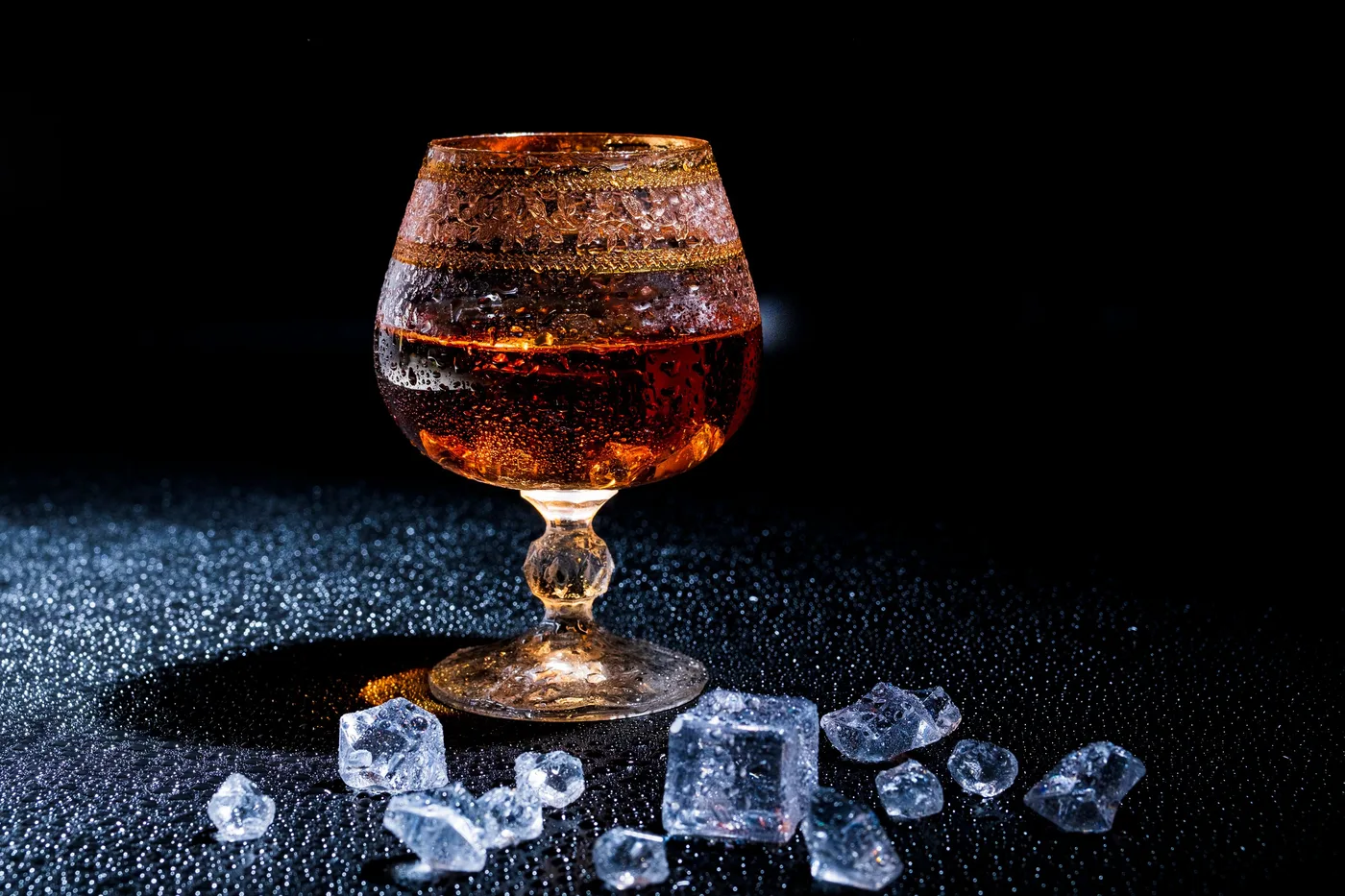
Why small cloudy cubes feel aggressive
Tray ice is full of trapped air and often freezes from all sides, which is why it looks cloudy. The many surfaces and the smaller size mean it melts fast. That can be fine in a tall mixed drink. In a short pour, it can turn a careful sip into a cold, watery one in ten minutes. If that is what you want, you already know how to do it.
A larger cube, or a sphere, has less surface area for its size. It chills, and it melts more slowly. “Clear” ice is mostly about direction: water frozen slowly from one direction can push air and impurities away, leaving a transparent block. It is also a little denser and often cracks less wildly when you pour a room-temperature spirit over it. That is satisfying. It is not a moral improvement.
Making or buying clearer ice at home
You do not need a bar machine. Insulated molds designed for clear cubes or spheres, or a small cooler method in the freezer, are the usual home approaches. Follow the maker’s instructions, give the mold time, and use clean water. Hard, very cold freezer settings can freeze too fast and defeat the point. A mold with a lid helps keep freezer smells out.
The practical limits are time, space, and storage. A two-inch cube needs a rocks glass that will actually hold it. A sphere can sit oddly in a tulip glass and is happier in a tumbler. Cut or chip a large block with a tool you trust, not with a knife that slips. Store spare cubes in a bag or box that closes, and use them while they still smell like nothing.
Whiskey stones, metal cubes, and “no dilution”
Soapstone, stainless, or other reusable “ice” chills a drink without melting. That is the honest pitch. The limits are also honest. A stone starts at freezer temperature and then warms up; it does not keep drawing heat the way melting ice does. You get a cooler pour for a while, and then you get a still-strong, slightly less cold pour. Some people like that. Some find the stones clink, chip a delicate glass, or pick up freezer odors if they are stored loosely.
Wash stones as the maker directs, and do not pretend they are decorative ice that can sit in a dusty bowl between uses. If the point is to avoid water, you can also sip the whiskey neat or add a measured splash of water with a pipette — a more controlled dilution than a melting cube, and a different one than no dilution at all.
A simple way to choose
If you want the pour to stay closer to how it came from the bottle, use a clean tulip and, if you like, a few drops of water. If you want a longer, colder drink, use a rocks glass and one large, clean cube or sphere. If you want cold without water, try stones once and see whether you actually prefer it. There is no ranking that fits every evening.
Skip ice that smells like the freezer. Skip tools that scratch your favorite glass. And skip the idea that a “correct” whiskey cannot have water in it. The correct pour is the one you will sip slowly and then stop. Our tasting guide and mixing versus sipping are the companions to this one.
Ice is a tool with a melt rate. Stones are a tool with no melt rate. Pick the tool that matches the glass and the evening, and give the rest of your attention to not pouring a second one just because the first one got cold.
Safety, glassware, and a few habits worth keeping
Clear ice looks dramatic, and that is exactly when people chip a favorite glass or cut a hand. Let a fresh cube sit for a moment if it has just come from a very cold freezer, especially before you pour a room-temperature spirit over it; thermal shock is a real way to crack thin crystal. Use a scoop or tongs, not fingers that have been in the snack bowl. If you score or split a large block, cut away from yourself on a stable board, and discard ice that smells like onions, cardboard, or the freezer.
Stones and metal cubes have their own habits. Chill them clean, use the count the maker suggests, and take them out before they sit in a cloudy puddle of leftover drink overnight. They can click against cut crystal harder than ice does, so if you own a delicate glass, try them in a sturdier tumbler first. See caring for crystal glassware before you put a heavy stone in a thin-walled gift glass.
If you are hosting, put the ice options out and let people choose. Some guests want a large cube, some want a splash of water, and some want the pour left alone. That is a hospitality decision, not a test. Our guide to hosting a small tasting at home is about keeping the pour modest and the evening calm, which matters more than whether the ice is perfectly clear. Current glasses and jugs that work with these habits are in the 2026 researched list.